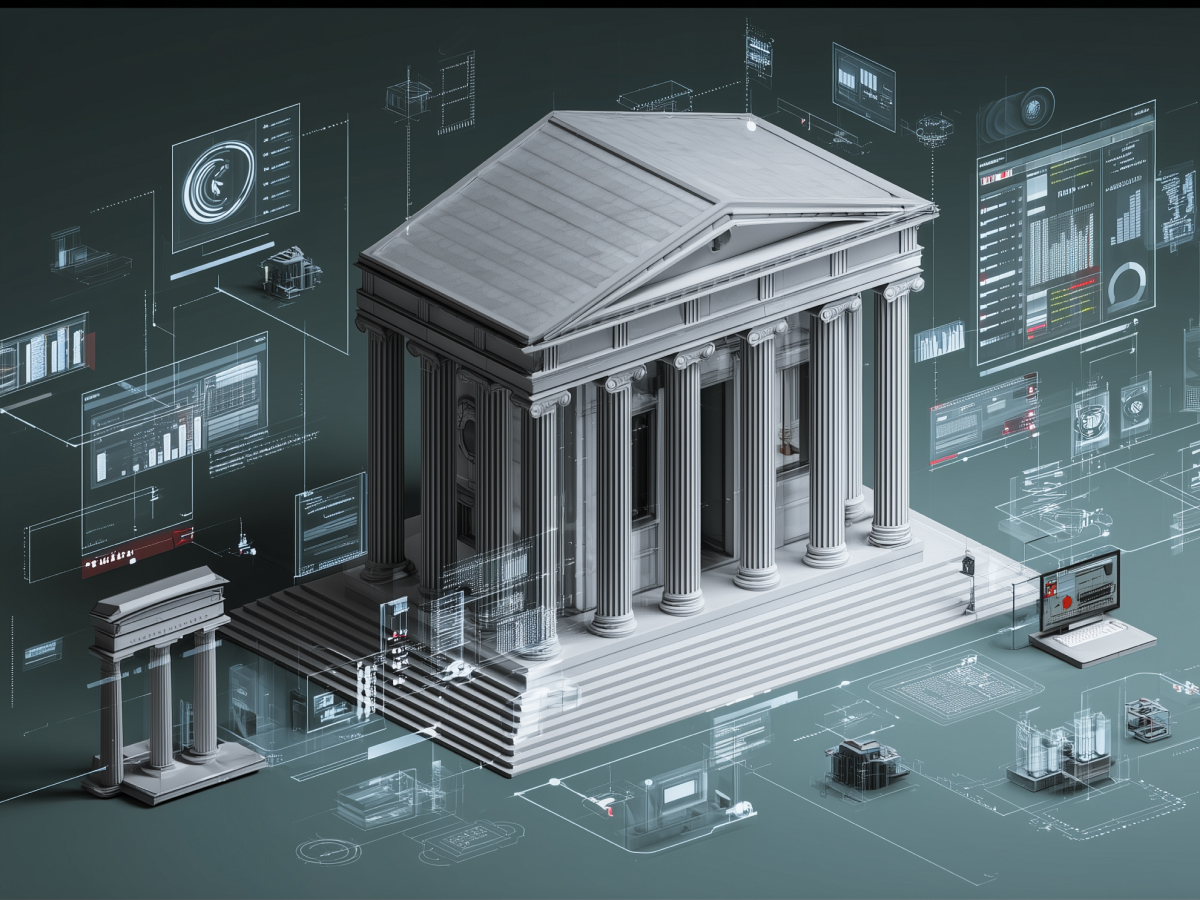
AI proliferation intensifies cyberthreats and expands enterprise vulnerabilities
Artificial intelligence is accelerating at an incredible pace. It’s changing how we work, automate, and make decisions, but it’s also changing how we get attacked. The rise of autonomous AI systems and agents has opened new pathways for cybercriminals. Instead of traditional attacks that rely on manual execution, today’s threats can move faster, adapt in real time, and target organizations with precision.
For most companies, the real problem isn’t just external attacks, it’s the internal ones. Enterprises are pushing AI-driven tools into daily operations without consistent governance, oversight, or clear security frameworks. Many organizations lack visibility into how AI systems behave once deployed or how they interact with sensitive internal systems. When security doesn’t keep up with innovation, the result is more exposure and less preparedness.
Executives must treat this as a fundamental shift, not a passing issue. AI adoption isn’t just about innovation; it’s about accountability. Boards and leadership teams need to push for governance models that match the speed and intelligence of AI. That means having transparent tracking for AI projects, continuously assessing risks from autonomous agents, and ensuring cybersecurity teams are trained and equipped to manage them.
A recent report from Akati Sekurity makes the challenge clear: AI agents are now linked to 40% of insider cybersecurity threats. This means nearly half of the threats come from within an organization’s own systems, often because AI tools act autonomously in ways that teams didn’t anticipate. It’s a wake-up call for leaders, AI can either strengthen the company or weaken it, depending entirely on how it’s governed.
The takeaway is simple: AI is not just a tool; it’s part of the security perimeter now. To keep moving forward, enterprises need governance that’s as intelligent and agile as the technology they’re adopting.
Databricks’ Lakewatch platform introduces a proactive defense against AI‑driven threats
Databricks is taking a bold step forward with its launch of Lakewatch, a platform built to close the widening gap between AI innovation and security readiness. Traditional security models wait for threats to reveal themselves. Lakewatch shifts that paradigm by embedding intelligence directly into the data layer, letting enterprises detect and neutralize vulnerabilities before they do harm. It aligns cybersecurity with how modern organizations actually use their data, reducing the lag time between detection and response.
One of the largest issues facing enterprises today is fragmentation. Many run on scattered data systems and disconnected workflows, forcing security teams to stitch together incomplete views of risk. That fragmentation leads to inefficiency and waste, some organizations discard up to 75% of their data due to the high cost of ingestion and storage. Lakewatch addresses this by integrating AI‑driven monitoring within data operations, ensuring information is both retained and made actionable for security analysis.
For leadership teams, this launch signals a turning point. Instead of layering security on top of existing platforms, Databricks is weaving it into the data fabric itself. It enables companies to transition from reactive security operations to AI‑driven intelligence systems that evolve as fast as the threats they face. This approach also rebalances cost and performance by optimizing how data is processed, analyzed, and defended, all within a single, connected environment.
Karthik Venkatesan, Security Engineering Lead at Adobe, summarized this shift by stating, “Databricks provides the foundation needed to move from data‑driven to AI‑driven approaches for security operations. Lakewatch is an important step toward bringing security intelligence closer to where data already lives.” His point captures what many in the industry are prioritizing now: closing the distance between where data is stored and where threats are managed.
Lakewatch isn’t just another product; it’s a structural adjustment to how organizations manage risk in a world dominated by autonomous systems and exponentially growing data. The faster businesses adapt to integrating security within their data ecosystems, the stronger and more resilient their operations will become.

A project in mind?
Schedule a 30-minute meeting with us.
Senior experts helping you move faster across product, engineering, cloud & AI.
Industry‑wide convergence of data platforms and cybersecurity solutions
The technology sector is shifting toward an integrated model where data platforms and cybersecurity systems no longer operate separately. This convergence reflects how companies are rethinking digital infrastructure. Databricks’ Lakewatch is one example of this evolution, a platform that unifies data intelligence and security. But this is part of a broader movement. Organizations are realizing that securing data after the fact is insufficient. Security must exist within the data architecture itself.
Other major players are moving in similar directions. Snowflake has added governance, analytics, and AI‑driven insights within its AI Data Cloud, enhancing visibility and control for enterprise users. Microsoft and IBM are embedding compliance and security frameworks directly inside their cloud ecosystems. These developments show a clear trend: data management, governance, and security are merging into a single, integrated layer across enterprise environments.
For executives, this integration influences both operational strategy and business resilience. Consolidating data security functions can eliminate silos and improve responsiveness while also simplifying compliance. However, it demands investment in smarter architecture rather than more tools. The strongest organizations will focus on designing unified systems that support security from the moment data is created or processed.
This convergence doesn’t only change the technology, it changes how businesses operate. When data and cybersecurity are connected, decision‑making becomes faster, more accurate, and easier to scale. For C‑suite leaders, the focus should now shift from treating cybersecurity as a secondary layer to recognizing it as a fundamental component of digital infrastructure. Those that adapt quickly will gain a long‑term advantage in both efficiency and trustworthiness.
Strategic implications for CIOs in integrating data and security infrastructures
The convergence of data and cybersecurity introduces new strategic responsibilities for CIOs and business leaders. Integrating these systems can significantly strengthen an enterprise’s operational core, improving data flow, reducing friction between departments, and lowering costs tied to data management. When information moves seamlessly across a unified architecture, security teams gain a clearer view of risks, and IT departments avoid duplication of effort. The result is faster decision‑making and a more resilient infrastructure.
However, this approach requires careful planning. Consolidation can concentrate both strength and vulnerability within a single framework. If a unified system fails or is breached, the blast radius can be wider than before. This doesn’t mean integration should be avoided, but it must be paired with comprehensive controls, strong authentication, continuous monitoring, and well‑defined isolation mechanisms for critical assets. CIOs should prioritize building layered defenses within integrated platforms rather than treating them as monolithic systems.
From a business perspective, unifying data and security functions offers a measurable return. Cost reductions from streamlining ingestion, processing, and storage can be reinvested into advanced analytics, automation, or compliance capabilities. It also enables more effective collaboration between data scientists and security engineers, turning what were once separate functions into complementary strengths. For boards and investors, this alignment demonstrates operational maturity and readiness for long‑term scalability.
The trend is clear: enterprises that architect their data and security systems together will gain efficiency, improved risk visibility, and stronger enterprise trust. But the most successful leaders will be those who ensure integration doesn’t compromise adaptability. Security and data must evolve together, with constant refinement, transparent governance, and proactive oversight from the top.
Key takeaways for decision-makers
- AI-driven threats demand stronger governance: Enterprises face faster, more adaptable cyberattacks fueled by AI systems. Leaders should tighten governance and oversight of autonomous agents to prevent internal and external vulnerabilities from escalating.
- Integrating AI with data workflows strengthens defense: Databricks’ Lakewatch shows the value of embedding security directly in data systems. Executives should modernize operations to detect threats proactively, reducing data waste and improving overall security responsiveness.
- Data and security convergence is reshaping enterprise strategy: The move by Databricks, Snowflake, Microsoft, and IBM signals a broader shift toward unified data-security ecosystems. CIOs should invest in integrated platforms that strengthen compliance while improving interoperability.
- Unified infrastructures require balance and foresight: Combining data and cybersecurity functions improves efficiency but concentrates risk. Decision-makers should ensure consolidated systems incorporate layered protections, clear governance, and continuous monitoring to sustain resilience.

A project in mind?
Schedule a 30-minute meeting with us.
Senior experts helping you move faster across product, engineering, cloud & AI.