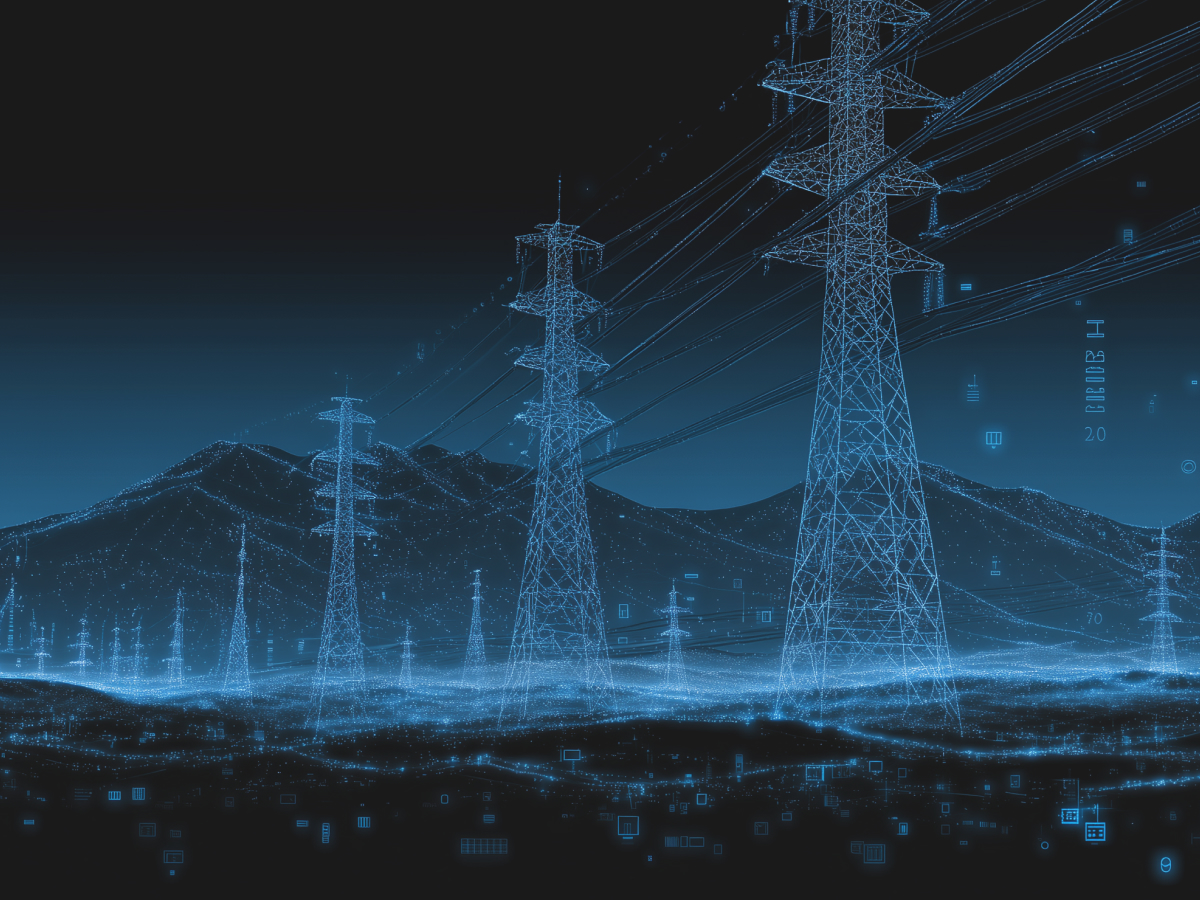
Digital transformation is redefining the structure and logic of the energy industry
The energy industry is entering a new era. The model built around centralized power generation and predictable demand no longer matches the pace or complexity of today’s needs. Digital transformation now sits at the center of how energy is produced, transmitted, and consumed. It connects every point of the value chain, power plants, grids, storage, and customers, into one intelligent, data-driven ecosystem.
This transformation is about building a smarter, leaner operational foundation. Technologies like the Internet of Things (IoT), cloud computing, artificial intelligence (AI), advanced analytics, and cybersecurity work together to increase visibility and control. Utilities can now predict maintenance needs before failures happen, forecast demand accurately, and respond faster to market or environmental changes.
Executives leading this change should view digital transformation as both a strategic necessity and a competitive advantage. Energy companies that treat digitalization as a core capability, rather than a side project, are already gaining speed, resilience, and new revenue opportunities. The global digital power utility market is expected to surge from US$55.02 billion in 2021 to US$239.38 billion by 2028, showing how rapidly investment and innovation are accelerating.
For leaders, this is the moment to realign technology strategy with business vision. The companies that integrate data across every process will not only operate more efficiently, they’ll define how energy is produced and consumed in the next century.
The transition from traditional grids to digital energy systems
Conventional power grids were designed for one-way energy flow, from large plants to end users. That model worked when energy demand was stable and generation predictable. Today, things are different. The rise of renewable energy, electric vehicles, and distributed storage requires an adaptive, digital infrastructure that can handle continuous change.
Digital energy systems operate in real time. They use sensors, smart meters, and edge computing to collect and analyze vast amounts of data from across the grid. This information allows automatic adjustments to supply and demand, reducing downtime and optimizing performance. When demand spikes or renewable output fluctuates, digital grids respond instantly, balancing the system with precision that older infrastructure simply cannot achieve.
For C-suite executives, the value lies in agility. Smart grids and predictive systems allow for faster decision-making, better use of resources, and lower operational costs. They also open the path for integrating more renewable energy sources without destabilizing the network. These advances are already in operation across leading markets, where data-driven coordination is cutting energy waste and improving service reliability.
The message is clear: flexibility is now the most valuable currency in the energy business. The future belongs to those who build systems capable of learning, adapting, and evolving with demand, systems that operate as intelligently as the world they power.

A project in mind?
Schedule a 30-minute meeting with us.
Senior experts helping you move faster across product, engineering, cloud & AI.
Digital transformation extends far beyond simple automation to fundamentally redesign operational processes
Automation and digital transformation are often mistaken for the same thing, but they serve different purposes. Automation replaces manual tasks with machines or programs, improving efficiency within existing processes. Digital transformation, on the other hand, redefines those processes entirely. It brings data-driven decision-making, predictive maintenance, and connected platforms that bridge every layer of operation, from supply chain management to customer engagement.
For energy companies, this means shifting from systems that react to problems toward operations that anticipate and prevent them. Artificial intelligence and machine learning models can analyze data from equipment, detect irregularities, and recommend fixes before failures occur. These technologies are redefining how power plants, utilities, and grids operate, allowing for more proactive maintenance and seamless coordination between assets.
C-suite leaders should see digital transformation as a strategic reinvention plan, not an automation upgrade. It requires new thinking, improved collaboration between teams, and a focus on continuous evolution. When decisions are informed by accurate, real-time data, organizations become more predictable, adaptable, and efficient over time.
Companies investing in this shift are already gaining measurable results, lower downtime, stronger resilience, and better adaptive capacity across their operations. The outcome isn’t just higher productivity; it’s a smarter, more agile business model capable of scaling in any direction the market moves.
Economic, regulatory, technological, and environmental catalysts
The energy industry is under pressure from multiple fronts, rising demand, environmental expectations, and evolving regulation. These pressures have accelerated the adoption of digital technologies worldwide. Companies are using intelligent systems to meet stricter ESG standards, optimize performance, and build trust among regulators and customers. Governments are driving this momentum with incentives for renewable projects and technologies that support the transition to low-carbon energy systems.
Technology itself has become both a solution and a driver of change. Big data analytics and Internet-connected sensors allow utilities to view and manage assets in ways that were not possible a decade ago. The result is a more transparent, accountable, and efficient energy ecosystem. At the same time, the public’s expectations are shifting. Consumers increasingly associate environmental responsibility with brand trust, compelling businesses to align sustainability efforts with profitability.
For decision-makers, digital transformation is no longer about future readiness, it’s a requirement for market relevance. The companies achieving the strongest growth are those using digital innovation to strike a balance between sustainability and profitability. The World Economic Forum’s 2023 report confirms that global investment in renewables has surpassed fossil fuel funding, while Accenture’s 2021 survey found that 48% of firms experienced higher returns after adopting sustainability-focused technologies. Additionally, IBM’s 2022 study shows that nearly half of consumers are willing to pay more for sustainable products.
These shifts mark a clear direction for leadership: integrate digital transformation into corporate and operational strategy. Those who treat sustainability, compliance, and efficiency as interconnected goals will define the next phase of the global energy economy.
Advanced digital tools enhance operational efficiency and renewable energy integration
The digital transformation of the energy sector depends on tools that make operations measurable, efficient, and responsive. Smart meters, artificial intelligence for load balancing, predictive maintenance analytics, blockchain for transparent energy trading, and digital twins are no longer experimental, they are foundational technologies reshaping the way energy systems operate.
Smart meters and IoT sensors allow organizations to monitor generation, consumption, and emissions in real time. This data feeds into AI systems that automatically balance load or adjust operations based on demand and renewable output fluctuations. Predictive maintenance platforms analyze vibration, pressure, and temperature data from critical assets to forecast potential breakdowns, allowing interventions before equipment fails. Blockchain ensures transparent energy transactions and enables direct energy exchanges without intermediaries. Digital twins mirror real-world assets, helping operators test different conditions and optimize performance without physical disruption.
For C-suite executives, these technologies deliver dual benefits: increased operational precision and measurable cost savings. Industry findings indicate that predictive maintenance can reduce maintenance expenses by roughly 20%, while smart systems improve grid reliability and customer satisfaction. The companies adopting these tools aren’t merely improving processes, they are redefining how operational excellence is achieved in one of the world’s most capital-intensive industries.
As renewable energy integration accelerates, advanced digital tools will remain essential for maintaining stability and maximizing output. The ability to combine physical and digital layers of infrastructure will determine how well energy providers can manage the next era of decentralized production and sustainability requirements.
Digitalization supports the renewable energy transition
Integrating renewable energy sources into the grid presents a fundamental challenge, variability. Digitalization addresses this by making coordination smarter and more dynamic. Predictive tools powered by machine learning analyze environmental data to forecast solar and wind output. IoT systems connect generation points, storage units, and consumers into unified, responsive ecosystems capable of adjusting automatically to current conditions.
Virtual power plants aggregate distributed renewable assets into a coordinated network that behaves like a single source, while energy management platforms use AI-driven insights to route or store excess energy. This digital oversight maintains grid balance even when renewable output fluctuates due to weather or demand shifts. Blockchain adds transparency to these decentralized systems, ensuring transactions and energy exchanges remain auditable and secure.
For company leaders, the key advantage is stability combined with intelligent adaptability. Digital systems allow for real-time decisions during spikes or drops in renewable generation, reducing waste and optimizing supply. This capability opens opportunities to increase renewable penetration in grids without compromising performance or reliability.
The shift is already visible in global electrification trends. According to the International Energy Agency’s 2024 Global EV Outlook, nearly one in five cars sold in 2023 was electric, up from 14% the year before. This rapid growth in electrification underscores the importance of digital coordination to manage both increased demand and variable generation.
Executives who invest early in intelligent coordination technologies will secure long-term resilience. The digital layer is not an optional enhancement, it is the operating system enabling sustainable energy to scale efficiently and competitively.
The benefits of digitalization
Digitalization is delivering measurable gains across every dimension of the energy sector. Smart grids automatically route power to where it’s needed most, reducing waste and improving efficiency. Predictive maintenance systems cut operating costs by anticipating problems and scheduling repairs before failures occur. These same systems reduce downtime, protect assets, and extend equipment lifespans.
Real-time applications now give customers full transparency and control over their energy use. Smart billing systems and mobile platforms allow users to track consumption, understand pricing changes, and make better decisions about when and how they use power. This two-way engagement builds stronger customer relationships and reinforces trust between providers and end users.
For executives, the financial implications are tangible. Predictive maintenance alone can lower costs by up to 20%, while grid automation reduces system losses and operational overhead. The resilience built into digitalized networks ensures stability during demand surges, supply interruptions, or even major environmental disruptions.
Energy companies adopting real-time data platforms and customer-focused digital tools are redefining performance benchmarks. These systems deliver operational efficiency, regulatory compliance, and customer satisfaction all at once, three outcomes that directly affect long-term competitiveness and brand reputation. Leadership teams that scale these systems across their operations will find new efficiency gains and market advantages that traditional infrastructures cannot match.
Digitalization is essential to managing the complexity of the global energy transition
The transition toward renewable energy introduces far greater variability and decentralization than traditional fossil-fuel grids ever required. Managing this complexity demands a digital infrastructure capable of handling large-scale data flow, real-time response, and precise automation. It’s not enough to replace fossil energy with renewables; the management layer itself must evolve to keep energy systems stable and responsive.
Digitalization provides that layer. Smart grid coordination, automated demand-response programs, and AI-driven forecasting systems balance unpredictable renewable inputs with consumption patterns. These capabilities can predict shifts in wind or sunlight hours before they happen, giving grid operators time to adjust power distribution and storage levels. This approach prevents instability and ensures that growing renewable integration does not compromise reliability.
For company leaders, this shift requires both technological investment and organizational realignment. Decision-making must move closer to real-time operations, and data intelligence should inform every action from production scheduling to customer distribution. The companies succeeding in this transition are those embedding digital coordination across all assets and workflows.
Research and global pilot projects continue to demonstrate that advanced digital infrastructure dramatically reduces fluctuations in power quality and improves resource allocation efficiency. As the energy sector transitions to cleaner production, digitalization is becoming the primary enabler of scalability. Executives who build flexible, interconnected systems will not only manage complexity, they’ll gain control over it, making their organizations leaders in the global energy transition.
Data, IoT, and AI form the foundational intelligence layer
Every phase of the energy value chain, generation, transmission, storage, and consumption, now produces a constant stream of data. Sensors embedded across facilities, smart meters installed in homes, and IoT-enabled devices integrated into infrastructure capture billions of data points daily. Without digital systems capable of turning this raw information into insight, these data streams remain underutilized.
Artificial intelligence and cloud computing provide the means to analyze this vast volume of input at scale. AI detects inefficiencies, forecasts energy demand, and identifies potential faults before they escalate. Predictive analytics also enable optimal load forecasting, precise energy dispatch management, and proactive maintenance scheduling. Real-time data sharing through secure cloud environments ensures decision-makers have a continuous view of operations across multiple locations.
For executives, the significance of this integrated intelligence is operational precision and sustainability compliance. Continuous data visibility enhances safety, reduces waste, and drives down carbon emissions through smarter resource allocation. It also strengthens cybersecurity by allowing instant detection of anomalies and potential breaches.
Research shows that data-driven systems not only improve efficiency but also lower the environmental footprint of power operations. By leveraging IoT and AI, organizations can align performance goals with decarbonization targets, positioning themselves competitively in markets where regulators and investors increasingly reward digital maturity and sustainability. Leaders who treat data as a strategic asset rather than a byproduct of operations are accelerating both performance gains and energy transition outcomes.
Implementing digital initiatives in the energy sector presents challenges
Despite its clear advantages, digital transformation introduces new layers of complexity and risk. As energy systems become more interconnected, they also become more exposed to cyber threats. An IBM report in 2023 found that the average cost of a security breach in the energy sector reached US$4.78 million, underlining the financial risks of weak protection. Enhanced cybersecurity with machine learning capabilities and automated detection systems has become essential to containment and response. According to the same report, firms using AI-based security tools saved an average of US$1.76 million per incident compared to those without them.
Scalability presents another major challenge. IoT devices generate massive datasets that can strain legacy infrastructure, leading to performance issues and higher operational expenses. A cloud-based or hybrid model offers a sustainable path forward, enabling systems to scale automatically based on demand. Companies must also modernize data structures through integrated platforms that accommodate real-time inputs from multiple sources.
Legal and compliance complexities add a further burden. Energy companies operate under dynamic regulations covering environmental standards, data protection, and grid safety. Failure to meet new compliance demands increases both operational and reputational risks. Incorporating real-time monitoring tools and automated documentation systems helps companies manage these evolving obligations effectively.
Cultural resistance remains one of the most persistent barriers. Many organizations invest in new technologies but fail to change internal processes and mindsets. This disconnect limits progress even when the right systems are in place. For executives, addressing this issue means ensuring leadership alignment, retraining teams, and embedding digital literacy across the organization.
Digital transformation requires more than capital, it demands long-term vision, disciplined planning, and cultural adoption. Companies that address both the technical and human dimensions of transformation will achieve faster, more stable results. Those that delay risk being outpaced by more agile and digitally confident competitors.
A phased and strategic approach is critical
Digital transformation in the energy sector cannot be hurried. It requires structure, focus, and scalability. The most successful companies begin with clear diagnostics, evaluating existing infrastructure, identifying inefficiencies, and defining measurable targets before taking major action. Once the groundwork is set, transformation moves step by step, from basic monitoring and analytics to full-scale automation and predictive management.
This phased approach allows leaders to control costs, minimize disruption, and maintain operational continuity. It also ensures that each technological layer, data collection, analytics, automation, and intelligence, is built on a stable foundation. Early integration of digital monitoring systems gives organizations immediate insight into performance and asset health, while later stages open pathways for advanced optimization through AI and machine learning.
For executives, the key decision is pacing investment without compromising agility. Managing technology integration as an ongoing process, rather than a single deployment, reduces risk and encourages long-term adoption. Implementing proofs of concept (PoCs) or minimum viable products (MVPs) before full rollout provides early validation and prevents costly misalignments.
Government incentives, particularly those tied to renewable energy and carbon reduction, can also support cost management. Leveraging such funding opportunities allows smaller or mid-sized operators to adopt advanced technology without overextending budgets. Executives who treat digital transformation as a progressive lifecycle, combining technical strategy with workforce readiness, position their organizations for sustained growth and operational reliability.
Industry evidence reinforces the effectiveness of this incremental model. Companies adopting targeted, timed implementation strategies show stronger productivity gains and higher ROI compared to firms attempting full-scale rollout at once. The message is clear: structured expansion wins over rushed execution every time.
Real-world case studies demonstrate measurable success
The impact of digital transformation is already visible in real-world results across global energy markets. Cosmo Energy in Japan is pursuing an enterprise-wide modernization initiative by doubling its IT investments and training 7,000 employees to work with data technologies, embedding analytics into every stage of operations. This effort demonstrates how aligning workforce development with digital strategy drives long-term capability.
In Switzerland, IWB has implemented a machine learning system that updates solar production forecasts every 15 minutes by combining smart meter data with live weather models. This solution improves the accuracy of renewable supply management and enables more efficient grid balancing.
Portugal’s INESC TEC, through its Centre for Power and Energy Systems, developed algorithms that integrate geographical and meteorological data for high-precision solar output forecasting. These innovations directly enhance renewable system reliability, reducing uncertainty in solar energy availability.
Even technology companies are joining this transformation. Google’s Tapestry initiative uses AI tools for advanced grid modeling and scenario planning to reduce emissions and strengthen infrastructure resilience. The program also enhances Google Earth with capabilities that help urban planners identify optimal solar installation sites on rooftops, connecting digital data to physical outcomes.
Another strong example comes from Techstack, which built a custom platform for a solar energy client that harmonizes data from multiple vendors. The system eliminated compatibility issues, standardized incoming datasets, and enabled predictive maintenance integration, creating a flexible foundation for future expansion.
For C-suite executives, these real-world examples signal a turning point. The companies achieving results are not waiting for digital transformation to become standard, they are using it as a competitive differentiator today. The lesson is straightforward: by embedding digital technology across all layers of operation, organizations can secure efficiency, sustainability, and long-term resilience in a rapidly evolving global energy environment.
Future digitalization trends will further drive decentralized energy systems
The next phase of digital transformation will redefine how the global energy system operates. Decentralization is accelerating, supported by technologies that connect smaller, localized generators to the main grid without compromising stability. Digital tools allow energy produced by homes, communities, and microgrids to be integrated efficiently into national networks, reducing dependency on central power infrastructure.
Blockchain technology is set to play a significant role in this future. It is already being tested as a secure method for transparent energy trading, ensuring traceability and trust in transactions between suppliers, producers, and consumers. Recent developments show that blockchain networks now achieve faster processing, improved scalability, and reduced delays, which makes them viable for large-scale energy applications such as peer-to-peer trading and electric vehicle charging transactions.
Artificial intelligence will continue to expand its influence across predictive analytics, smart charging infrastructure, and cybersecurity frameworks. As AI models grow in accuracy and processing speed, they will handle increasingly complex optimization tasks, from balancing multi-source grids in real time to protecting digital assets from evolving threats. Organizations that embed AI deeply into their operational and strategic layers will gain measurable advantages in efficiency, forecasting, and energy flexibility.
Regulatory frameworks are also evolving to support this innovation. Governments and industry bodies are beginning to establish regulatory sandboxes, controlled environments where companies can test blockchain-based services and new digital business models under actual market conditions. This approach accelerates market approval while ensuring technologies meet security and compliance standards before large-scale deployment.
Energy digitalization will also progress within the built environment. Smart building systems equipped with sensors and automated controls will manage power based on occupancy, air quality, and environmental conditions. These developments will improve energy efficiency for both residential and commercial users while expanding data-driven insights into long-term consumption patterns.
Research from 2022 confirms the growing importance of blockchain in supporting net-zero initiatives. As every technological layer, AI, IoT, blockchain, and cloud infrastructure, continues to mature, the energy market will gain more transparent, decentralized, and efficient systems.
For decision-makers, these trends present both opportunities and responsibilities. The companies that invest early in modular, intelligent infrastructure will lead the market. Aligning innovation with regulatory readiness and consumer trust will be essential for sustaining long-term growth in a sector that is rapidly becoming digital-first and adaptive by design.
Recap
The digital transformation of the energy industry is no longer a distant goal, it is the foundation of the next global energy era. For decision-makers, this shift presents both a challenge and an opportunity. The challenge lies in balancing innovation with resilience. The opportunity lies in using data, AI, and interconnected systems to build smarter, more sustainable energy ecosystems that scale effectively and adapt in real time.
Executives who approach digitalization with clarity and precision will create competitive advantage. Integrating intelligence across operations means fewer inefficiencies, more accurate forecasting, and a stronger ability to meet market and environmental expectations simultaneously. It also means unlocking new growth models, where flexibility, transparency, and sustainability drive long-term value.
This transformation demands leadership that looks beyond short-term wins. It calls for investment in infrastructure, cybersecurity, and culture, ensuring every layer of the organization operates with agility and confidence. Governments, consumers, and markets are aligned in one direction: smarter, cleaner, and more decentralized energy systems.
The companies that act decisively now will define that future. They won’t just survive disruption; they will shape the standards for how energy is produced, managed, and experienced in a connected world.

A project in mind?
Schedule a 30-minute meeting with us.
Senior experts helping you move faster across product, engineering, cloud & AI.