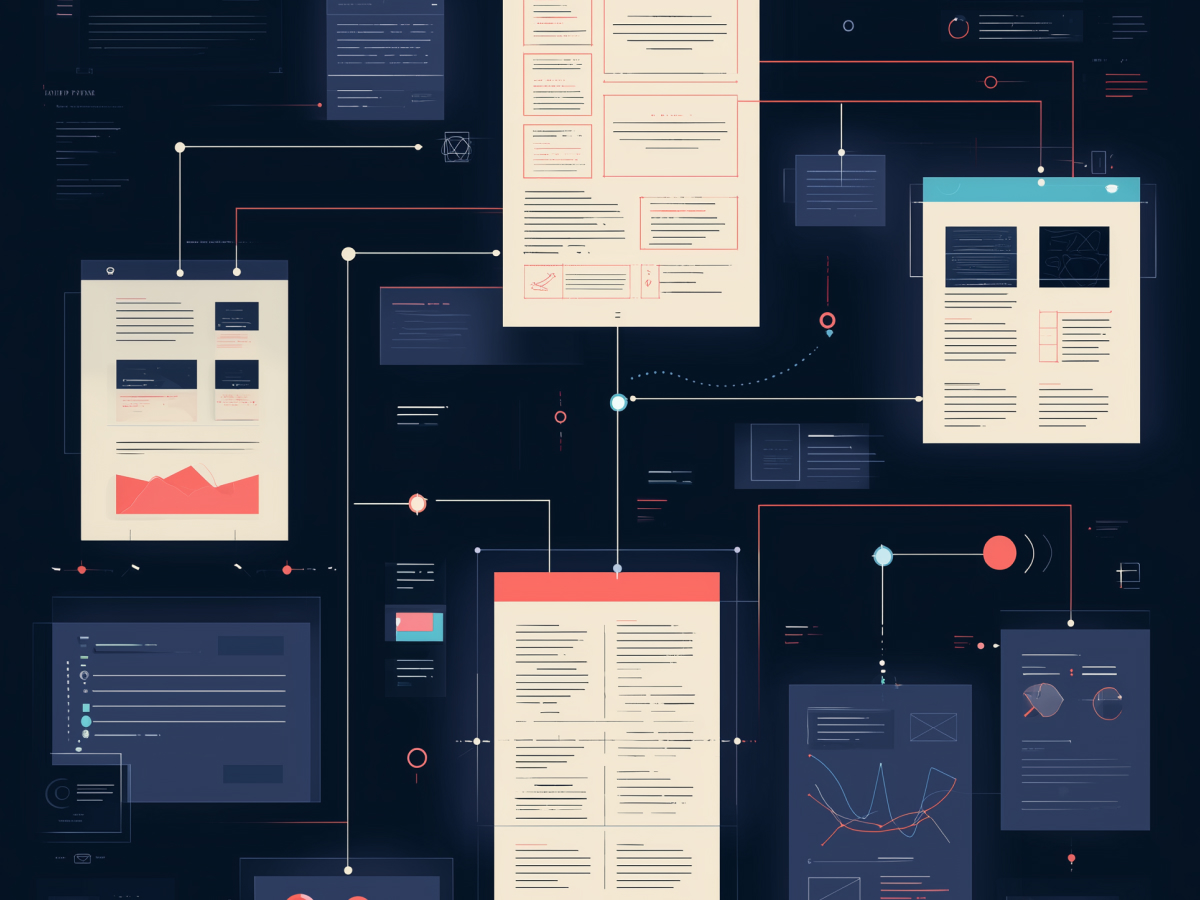
Design system patterns are the foundation for scalable, user-friendly digital interfaces
Design system patterns are the backbone of how teams create scalable, consistent digital experiences that feel natural to users. Each pattern is a verified solution, a framework that lets teams combine different interface components into one coherent experience. When companies rely on these reusable blueprints, products become more predictable, faster to develop, and easier to maintain.
Executives often overlook this detail. Many teams attempt to build design systems three or four times before getting them right. The common flaw isn’t the UI components themselves, it’s the absence of patterns that connect those components to actual user needs. Without that link, systems fade into disuse. With it, teams gain a living design language that cuts development time, aligns design decisions, and removes unnecessary complexity.
A well-built system saves countless hours and drives alignment. It helps internal teams focus on refining user experiences rather than restarting design cycles. For growing companies, it builds scalability directly into the design process, allowing expansion without loss of quality.
For decision-makers, the value here isn’t just aesthetic or operational. Patterns create structural efficiency. They reduce dependency on senior designers for every design decision and lower the chance of human error across teams. The payoffs show up in faster iteration, stronger product consistency, and lower long-term costs. Done right, these systems compound in value over time, just like any well-engineered process.
Patterns differ from components by emphasizing functionality and orchestration over discrete elements
There’s a distinction leaders need to understand. Components are static parts, buttons, cards, inputs. Patterns define how those parts work together to solve a user problem. Where components are nouns, patterns are verbs. They guide action. They bring structure to how interfaces behave under ideal conditions.
Good design systems demand both. Components give flexibility; patterns give purpose. When a team knows how components interact through a pattern, they can build faster and make better design decisions with fewer back-and-forths. This shared understanding reduces friction across design, engineering, and product management. It also leads to more predictable results when scaling digital platforms.
Patterns set the rules of engagement. They don’t lock teams into rigid templates, they suggest the best ways to apply existing components to achieve functional results. This matters for organizations that operate across markets or products. When design rules are clear, scaling across business lines becomes far easier.
C-suite leaders should view this as a control mechanism for growth. Without structured patterns, each team will interpret design intent differently, creating inconsistency across touchpoints. Clear differentiation between components and patterns improves efficiency, reduces redesign cycles, and aligns cross-functional teams on shared standards. Think of it as system-level governance for design consistency, functional, not cosmetic.
Clear pattern structures drive scalable and coordinated user interfaces across teams and products
Strong design systems are about more than clean visuals, they’re about alignment. When patterns are clearly defined, teams across design, engineering, and product functions can work from the same blueprint. This creates a consistent experience across interfaces, strengthens brand identity, and improves productivity. The Silk Design System is a practical example, offering predefined structures for key commerce functions such as product listings, checkout processes, and responsive layouts. These predefined patterns reduce fragmentation and make UI decisions uniform across projects.
Scalable and coherent interfaces emerge when every contributor shares the same understanding of how components fit together. This clarity makes it possible to roll out interface changes quickly without breaking existing structures. It also accelerates product development by eliminating the need for repeated design discussions and redundant reviews.
For executives, structured design patterns have measurable business outcomes. They reduce communication overhead, improve product quality, and lower time-to-market. Standardizing design frameworks ensures consistency even as teams grow or projects diversify. It also allows organizations to onboard new employees more easily since the design logic is clearly documented and repeatable. Over time, this turns design systems into operational infrastructure, supporting scalable, reliable product delivery without unnecessary effort.
Design system patterns can be segmented into key categories that address a variety of core user interactions
A mature design system organizes patterns into distinct functional areas. Navigation, form and input, data display, and feedback/status each serve a precise purpose. Navigation patterns help users locate information; form patterns simplify data input; display patterns organize and visualize data; feedback patterns communicate system responses. With this structured categorization, teams can approach interface challenges systematically rather than reactively, ensuring that user journeys remain intuitive and efficient across products.
This breakdown also enforces a higher level of usability and functional clarity. For instance, consistent navigation helps users orient themselves within an application instantly. Optimized forms cut friction during data entry, lowering the likelihood of abandonment. Effective data display organizes information for fast interpretation, and well-crafted feedback reassures users that the system is working as intended.
Leaders should view this categorization as a strategic design framework. Each pattern type directly influences how customers interact with digital platforms. Strong navigation and form design increase completion rates; precise data display supports decision-making; effective feedback mechanisms reduce user uncertainty. These categories allow organizations to measure experience outcomes with clarity, aligning design decisions directly with business goals.
Practical implementation examples underscore the direct business value of well-crafted design system patterns
Concrete implementations show that well-built design system patterns directly enhance usability and reduce friction across digital products. Login flows, authentication methods, multi-step forms, empty states, search filters, and card-based layouts all demonstrate how patterns improve performance and user confidence. When users encounter predictable, well-designed interactions, they complete processes more reliably and remain engaged.
These use cases prove that effective design patterns drive tangible business outcomes. Clean login experiences increase conversion and trust. Streamlined multi-step forms improve completion rates by breaking long processes into manageable actions. Clear empty states reduce confusion while promoting engagement. Well-designed search and filter mechanics help users find what they need quickly, improving overall satisfaction. Each implemented pattern builds trust over time, reinforcing the reliability of the product.
C-suite executives should recognize that strong UI patterns have measurable financial effects. Better workflows and fewer user drop-offs reduce acquisition costs and improve retention. They also increase operational speed since development teams can reuse proven design structures without rebuilding interactions. Executives evaluating product investment priorities should treat UX quality as an efficiency metric. Design systems designed around evidence-driven patterns create a long-term competitive advantage through consistency and speed of innovation.
Effective design system patterns are derived from an analysis of real user behavior and recurring usage patterns
Strong design systems evolve from observation. By studying how users navigate existing products and identifying recurring design solutions, teams can extract patterns that reflect actual needs rather than theoretical best practices. This method ensures that every adopted pattern has proven relevance. The Silk Design System, for example, captures this principle by codifying established e-commerce flows, such as checkout processes and product listings, areas that repeatedly surface in real-world use.
Patterns founded on real data scale naturally. They already account for common user challenges, such as form abandonment, navigation errors, or feedback delays. Teams integrating these data-driven solutions reduce trial-and-error design cycles and focus instead on refining proven solutions. Observing and documenting these patterns transforms scattered design decisions into a unified operational framework.
Executives should approach pattern development through a lens of data validation. Each pattern represents an investment, and grounding it in user evidence guarantees better ROI. Governance processes should include periodic review of user engagement data to adapt patterns when behavior changes. This ensures systems remain relevant as customers evolve. Patterns built through real-world observation support decision-making that is both agile and reliable, allowing organizations to adjust without losing consistency.
Thorough documentation and structured adoption strategies are essential for long-term pattern integration and success
A design system only becomes valuable when it’s well-documented and widely adopted across teams. Clear pattern documentation should define the purpose, structure, and application of each design element. Using standardized formats such as Markdown files enhanced with YAML metadata makes patterns easier to read and maintain. Each documented pattern should include context, states, use guidelines, design specifications, code snippets, and practical examples. This format ensures that every team, from design to engineering, understands how to use patterns consistently.
Adoption is where many design systems fail. Without deliberate strategies to encourage engagement, even the best patterns lose relevance. Effective teams address this through culture and process. At Delivery Hero, Amber, a team lead, implemented a three-stage approach, Gamify, Socialize, and Celebrate. The method focused on visualizing team progress, fostering collaboration through naming and feedback sessions, and rewarding milestones. This created momentum that sustained long-term adoption across multiple product teams.
For C-suite leaders, design system adoption should be viewed as an organizational transformation. The return on investment comes from consistency and speed, and that requires employee engagement at every level. Sustained governance is crucial, periodic reviews, transparent progress tracking, and continuous communication maintain system relevance. Leaders should prioritize resourcing and empowerment for the teams maintaining these systems, ensuring that documentation evolves as products mature.
Strong adoption strategies reinforce the value of the design system as a shared infrastructure asset. Proper documentation builds confidence and accelerates alignment between design, engineering, and business operations. It allows new hires to onboard faster, minimizes dependency on institutional knowledge, and ensures every project maintains design integrity from concept to deployment.
Concluding thoughts
Scalable design systems aren’t just design assets, they’re operational infrastructure. When patterns are grounded in real user behavior, fully documented, and consistently adopted, they create a foundation that scales across teams, products, and markets.
For executives, the takeaway is clear: design systems built on strong pattern logic drive measurable efficiency. They shorten development cycles, improve team alignment, and reduce long-term maintenance costs. Every new product or feature benefits from the stability and predictability of a shared system that already works.
Leaders who invest in design systems as part of core strategy, rather than as isolated design initiatives, gain more than visual consistency. They create a repeatable process that accelerates innovation while maintaining quality. That’s how businesses build digital products that grow, evolve, and remain coherent no matter how large they become.


A project in mind?
Schedule a 30-minute meeting with us.
Senior experts helping you move faster across product, engineering, cloud & AI.