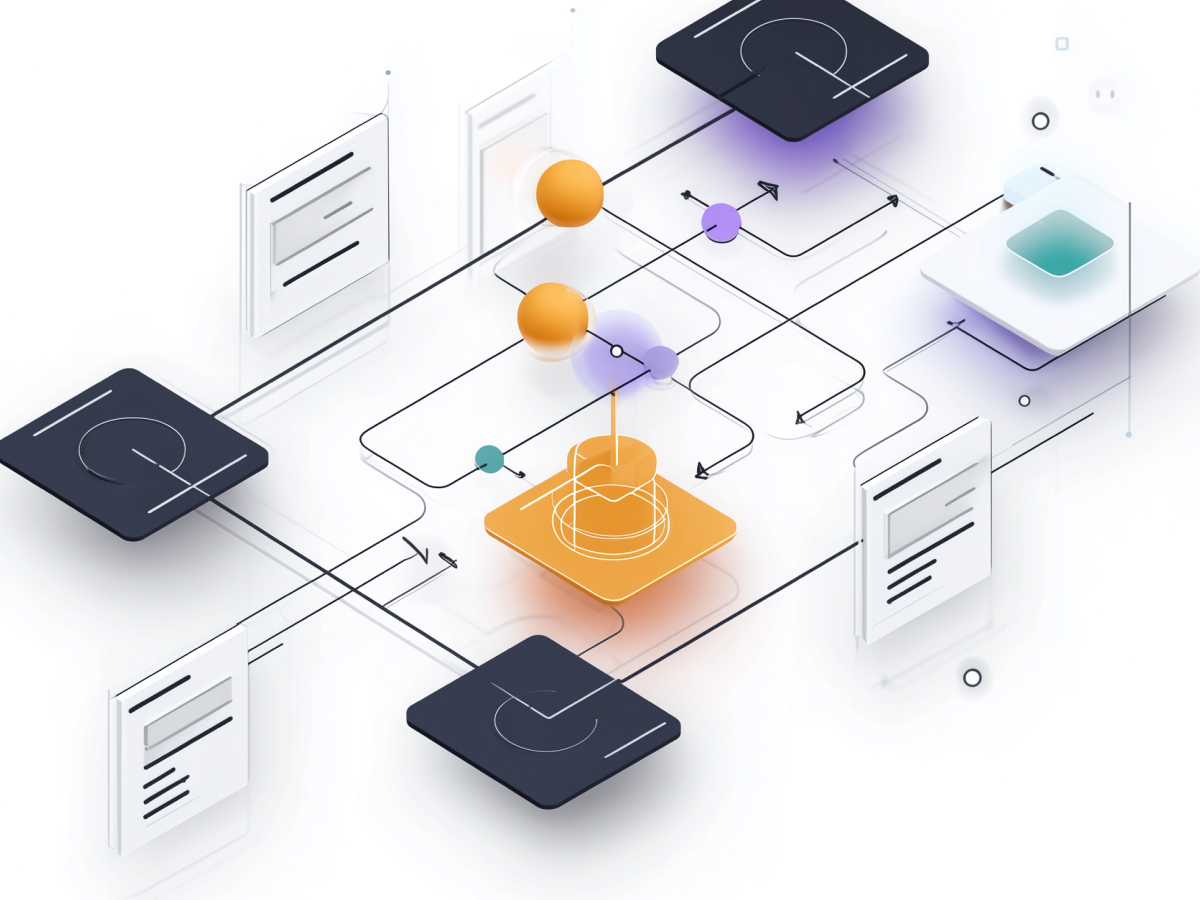
Inconsistent user experiences undermine ecommerce performance
In eCommerce, consistency is not a design preference, it’s a financial variable. When users encounter different fonts, misaligned buttons, or unpredictable checkout behaviors, they lose trust. Even a minor inconsistency triggers hesitation, and hesitation costs sales. Studies show that 88% of online shoppers abandon a site after a poor user experience. Another 32% walk away from a brand entirely after a single negative interaction. That’s not a design issue, it’s a business issue.
A unified design language ensures customers experience familiarity across every device and interaction. When product cards, checkout flows, and confirmation pages follow one clear standard, users move through the buying process with confidence. A consistent interface signals reliability and quality, driving stronger brand recall and higher conversion rates.
For executives, this is a warning and an opportunity. Visual fragmentation is silent revenue leakage. Consistent design execution, on the other hand, unlocks measurable upside. Research shows that correcting inconsistency alone can increase revenue by as much as 23%. In ecommerce, that difference defines whether you’re scaling or stagnating.
The key nuance for leaders: user experience is not only about aesthetic harmony but operational efficiency. It aligns teams, reduces rework, and creates a self-sustaining system that protects brand trust at scale.
Design systems significantly reduce development time and costs
Design systems transform how teams build and ship digital products. They replace constant decision-making with a shared foundation, ready-to-use components, predefined design tokens, and standardized patterns. This eliminates inefficiency. Instead of every designer and developer solving the same design problem repeatedly, they work faster with reusable assets built on common rules.
Adopting a design system can improve design speed by 38% and development efficiency by 31%. Simple tasks once taking hours can now be done in a fraction of the time. One project reduced form creation by 47%. Another team cut button implementation from 15 hours to 2.5, an 80% speed increase. Overall, these efficiencies often reduce project time by 50% and development costs by up to 40%.
Tools like Figma and Storybook make this scalable collaboration possible. Designers prototype in hours, not days. Developers build from the same component library with minimal visual supervision. The result is tighter coordination, fewer handoff issues, and a faster release cycle across multiple products and teams.
For C-suite executives, this means something bigger: predictable innovation. A clear design system doesn’t just improve efficiency, it builds velocity into your organization. Faster launches, consistent brand output, and lower operational costs position the company to respond to market changes without extra complexity. Treat your design system as infrastructure. It’s the operating system for rapid growth.
Scalable design systems drive measurable business growth
Scalable design systems don’t just create better-looking products, they deliver measurable business results. When every customer touchpoint follows a single design framework, users experience clarity. That clarity drives confidence, and confidence drives conversions. Shopify’s design framework, Polaris, is proof that structured, scalable design can support massive platforms without sacrificing usability or speed.
Real-world impact confirms this approach. Mattress Firm recorded a 60% increase in shopping cart conversions after refining its ecommerce design for greater consistency and simplicity. Another retailer achieved a 43% rise in overall conversion rate through similar optimization. These improvements show that investing in design systems doesn’t only upgrade visuals, it strengthens sales performance and market competitiveness.
On a financial level, the case is clear. Strategic investments in user experience yield high ROI. Research shows that for every single dollar invested in UX, businesses can expect a return of around $100, a 9,900% ROI. That number doesn’t happen by chance. It comes from reducing user friction at every step of the customer journey and aligning design execution with real business goals.
For leaders, the takeaway is straightforward. Design systems are not only operational tools; they are strategic assets. When scaled and maintained correctly, they create a consistent experience that builds customer trust, lowers support costs, and sustains growth. This is where creative discipline meets measurable business value, and the results validate the effort.
Establishing a scalable ecommerce design system requires a structured process
Building a scalable ecommerce design system requires structure and precision. It starts with a detailed audit, mapping every color, font, element, and interface currently in use. This discovery phase often exposes inefficiencies, such as unnecessary color variations or inconsistent spacing standards. Once you identify what’s fragmented, the process shifts to consolidation. Define your brand’s design principles based on its core values, ensuring decisions about typography, color, and spacing align with your wider identity.
The next step is developing foundational design tokens, digital definitions for key visual decisions like color, typography, and spacing. By storing these in formats such as JSON, teams can synchronize them across platforms, ensuring that every product reflects the same standards, no matter the channel. These tokens evolve into reusable components such as buttons, product cards, and checkout forms, each carefully documented with usage rules and accessibility guidelines.
When teams have a centralized resource, they cut confusion and improve delivery speed. Tools like Figma, Storybook, and Zeroheight provide scalable libraries, version control, and collaboration structures. Research shows that teams working with proper design infrastructure perform around 34% faster. The system becomes a central source of truth, removing duplication and improving coordination between design and development.
For executives, the nuance is clear: successful design systems depend on disciplined execution, not improvisation. Treat the documentation, feedback cycles, and infrastructure as ongoing business investments. The objective isn’t to finish the design system, it’s to keep it adaptive, consistent, and ready to support growth. A well-structured system reduces long-term design debt and ensures every product reflects the same brand standard across every customer interaction.
Organizing components by ecommerce function enhances usability and conversion
Organizing components by function makes a design system practical and business-driven. In ecommerce, this means structuring elements around how customers actually shop, check out, and manage their accounts. It’s not about design for design’s sake, it’s about building clear pathways that eliminate friction from discovery to purchase.
Search and filter tools are among the highest-performing elements in ecommerce interfaces. Research shows users who use search convert at rates 200% higher than those who browse casually. Positioning the search bar prominently, integrating autocomplete, and linking it with faceted filtering gives users faster access to relevant products. Well-defined product display layouts, two columns for mobile, four for desktop, ensure responsiveness and ease of comparison, which drives higher engagement.
Checkout interfaces are another high-impact zone. Poor design at this stage leads to major drop-offs, with global cart abandonment averaging 70–72% and checkout abandonment hitting 53%. Simplifying forms, enabling autocomplete for payment details, and offering multiple payment options reduce hesitation and boost completion rates. Beyond transactions, personalization tools shape customer loyalty. Around 80% of consumers report buying more when experiences feel tailored, and account dashboards offering clear order tracking or settings management add to that sense of control and trust.
For business leaders, organizing components around user intent is both a design and commercial priority. When every element, from search to checkout, is built to serve specific customer behaviors, your system becomes a conversion engine. This structure also accelerates team collaboration by clarifying component ownership and reuse. The system stops being a library of parts and becomes a data-driven framework for growth.
Maintaining and evolving a design system ensures long-term scalability
Once a design system is in place, maintaining and evolving it determines how long its value lasts. A static system loses relevance quickly as technology and customer expectations shift. Treating the system as a living product ensures it continues to align with business objectives and market changes. This requires a clear roadmap, governance model, and contribution process to manage updates effectively.
Roadmaps should connect directly to company goals, segmented quarterly to balance system needs with product demands. Contribution guidelines clarify how teams propose changes, ensuring updates are reviewed and approved through a transparent process. Establishing defined decision rights removes friction between teams. Tracking usage is essential, analytics tools within platforms like Figma can show which components are widely adopted, which are detached, and where teams face usability gaps.
A continuous improvement culture keeps the system healthy. Regular reviews of component performance, accessibility, and relevance maintain quality. Beyond technology, as artificial intelligence gains traction, design systems will evolve to provide intelligent design recommendations based on behavior and context. This adaptive layer will redefine how teams scale design operations while staying efficient.
For executives, the nuance lies in leadership commitment. A design system isn’t a one-time cost, it’s an evolving asset that compounds productivity and consistency. Companies that maintain strong governance and analytics see lower design debt over time and faster implementation cycles. Sustaining this discipline ensures the design system remains a strategic multiplier for brand cohesion, development efficiency, and long-term scalability.
A living design system is a strategic advantage for sustained growth
A living design system is not static documentation, it’s an operational framework that adjusts as business priorities, technology, and customer expectations change. Treating it as a strategic product ensures it remains relevant and aligned with market demands. When managed deliberately, the system becomes a reliable foundation that supports brand consistency and continual innovation at the same time.
Strong governance is central to sustaining its value. Defining ownership, reviewing updates transparently, and maintaining complete documentation prevent drift and reduce long-term inefficiencies. Regular monitoring of component use, performance, and adoption rates through analytics enables leaders to make data-backed improvements rather than reactive fixes. This approach keeps teams synchronized and focused on measurable outcomes instead of subjective design debates.
For decision-makers, the value extends beyond operational efficiency. A well-maintained design system compounds returns, it reduces time-to-market, raises quality standards, and ensures every product expansion or redesign stays within defined parameters. Consistency across channels reinforces customer trust, while internal clarity improves collaboration across technical, design, and marketing teams.
Future-focused organizations will continue evolving their systems with support for automated design adjustments and data-driven updates. Artificial intelligence will help teams respond to changing design needs dynamically, optimizing components based on user behavior. The result is continuous alignment between the customer experience and business goals.
For C-suite leaders, the message is direct: long-term business growth relies on the ability to innovate without fragmenting the brand. A living design system transforms consistency into a growth strategy, fueling faster releases, lower costs, and stronger alignment between user experience and corporate ambition.
In conclusion
Scalable design systems are more than a design efficiency, they’re a business strategy. They align brand consistency with operational speed, reduce redundant work, and drive measurable return on investment. For fast-moving ecommerce companies, that alignment means growth with fewer dependencies and fewer delays.
Executives who prioritize design system development position their organizations for long-term stability and adaptability. It creates structure without rigidity, clear standards that accelerate collaboration rather than slow it down. Every future product, campaign, or redesign benefits from this shared foundation.
The message for leaders is simple. A design system isn’t just a toolkit, it’s a competitive advantage. It reduces costs, strengthens brand trust, and makes scaling predictable. Treat it with the same attention as any core business asset. The payoff is faster innovation, stronger customer experiences, and a unified digital presence that can evolve as quickly as the market demands.


A project in mind?
Schedule a 30-minute meeting with us.
Senior experts helping you move faster across product, engineering, cloud & AI.