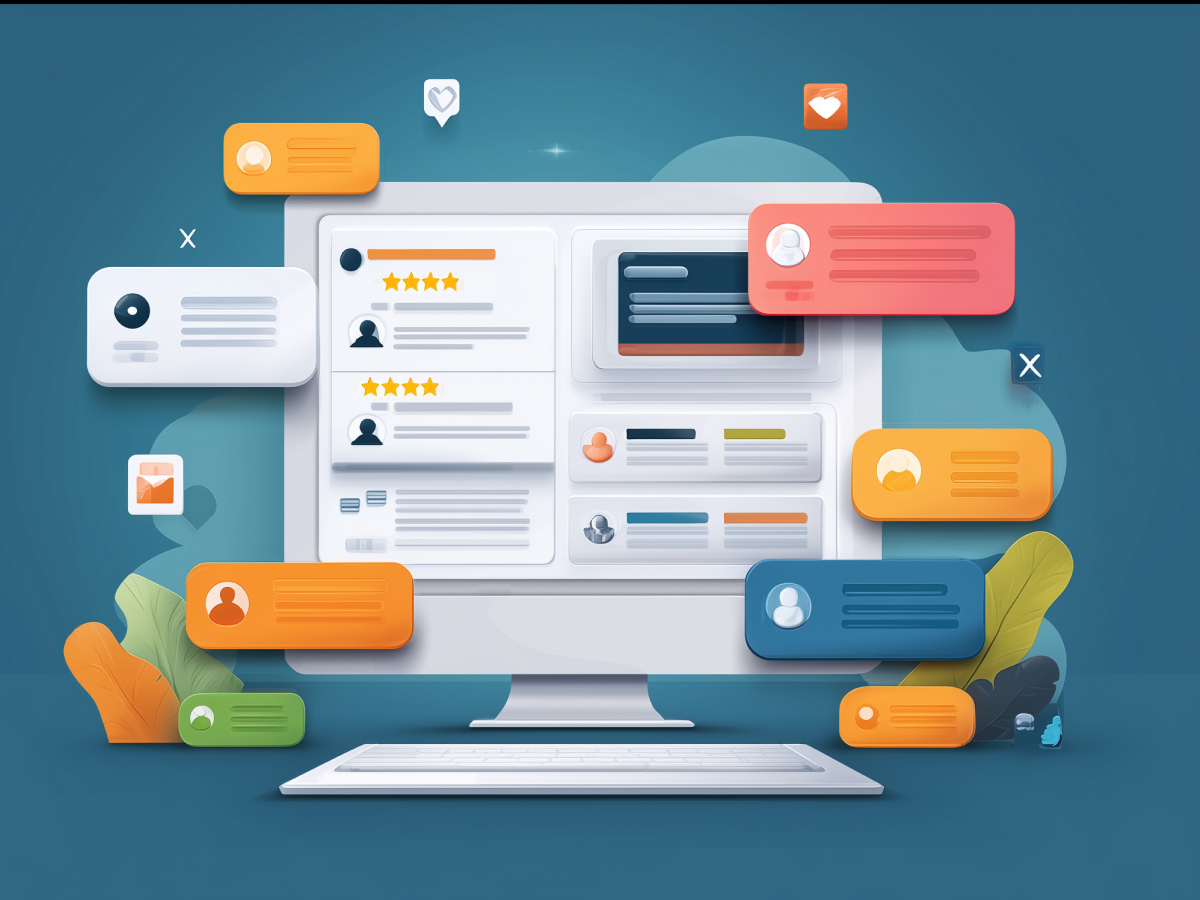
Seamlessly connecting people, applications, and context
Work in modern enterprises happens across teams, applications, and time zones. Yet, in many organizations, systems are still fragmented, employees jump between disconnected tools, struggle to find context, and waste time aligning with team efforts. That creates drag. If you’re not structuring your tools around how teams actually work, cross-functionally, collaboratively, in real-time, you’re limiting operating speed.
This is where integrated, context-aware platforms make a real difference. When digital workspaces group tools and data based on function, whether that’s personal, departmental, or company-wide, employees move through workflows with less friction. It puts decisions, conversations, and tasks in context. Aligned systems speed up coordination, allowing teams to shift across projects or priority changes without derailing momentum.
C-suite leaders should look at this as a productivity multiplier. When your tools reflect your organization’s structure and strategic intent, you unlock bandwidth across the board, from engineering to marketing to ops. Every part of your organization can adapt faster and execute more precisely. You don’t scale teams by forcing them to work harder, you scale by making collaboration effortless.
Consolidating information into a single, customizable view
You can’t lead, or run operations effectively, when your data’s scattered across ten apps, spreadsheets, and dashboards. The best decisions come from a clear view of what’s happening now. That means visibility in real-time, with the ability to drill down, filter, and act without hopping between systems. You centralize, or you slow down.
Custom dashboards solve this. Well-built ones pull together key data from across teams and tools into one interface. Properly implemented, they give you operational transparency, performance metrics, project progress, risks, resources, all in one place. The power here isn’t just visibility, it’s alignment. When everyone sees the same priorities, you get fewer miscommunications and more ownership.
For executives, this is foundational. A single-view dashboard isn’t just reporting, it’s decision infrastructure. It lets leaders move quickly with confidence. And when the dashboards can be tailored per role or need, you scale insights across functions, from product decisions to finance to workforce planning. The return: smarter calls, faster execution, and fewer blind spots. Keep the view clear, and your teams move faster.
Centralizing actions and workflows
If your teams spend more time tracking updates than acting on them, there’s an operational flaw. Tasks, approvals, and notifications often live in different systems, spread across emails, chat platforms, and internal portals. That delays execution, increases errors, and chips away at focus. You don’t want your people chasing work, they should spend their energy doing high-value tasks, not managing administrative traffic.
Centralizing these functions into a single action panel solves a real problem. When all approvals, requests, and assigned tasks converge in one place, context stays intact and action becomes easier. This isn’t about convenience, it’s about speed and control. You eliminate fragmented communication loops and reduce the lag that comes from switching tools, or worse, missing updates entirely.
For leadership, centralized workflows add operational consistency. Whether it’s onboarding a new hire or launching a cross-functional initiative, structured, accessible, multi-step processes raise reliability across your systems. It also gives executives better visibility into where work is slowing down. That matters when you’re managing across departments, markets, or global teams. If your workflows are aligned and accessible, your decisions can be too.
Embedding intelligence into everyday work
Too much decision-making still relies on incomplete or outdated data. That’s a risk and an inefficiency. AI and embedded intelligence aren’t just features, they’re strategic infrastructure. When integrated directly into workflows, these tools respond in real time, analyzing what’s relevant, what requires attention, and where action needs to happen.
This isn’t about automation for the sake of it. It’s about enabling teams to make sharper decisions without manual searching or guesswork. If the right insights surface when a decision needs to be made, teams move faster with greater accuracy. Combine this with collaborative visual tools, digital whiteboards, flowcharts, mind maps, and you give distributed teams the capacity to plan and act without boundaries. Geography becomes irrelevant when interaction is seamless.
For C-suite executives, embedded intelligence should now be viewed as non-optional. It turns passive data into strategic direction. The ability to identify patterns, flag risks, and prioritize work helps teams remain agile, especially under pressure. Intelligence built into the workspace reduces dependence on status reports and one-off syncs, freeing leadership to focus more on long-term outcomes than short-term firefighting. Integrate intelligence now, or risk being outpaced.
Empowering employees to focus on meaningful, high-impact work
Workforces perform better when distractions are reduced and tools are aligned with clear objectives. Too often, technology adds friction, notifications scattered across platforms, redundant data entry, repetitive status updates. It pulls attention away from deep, high-value work and traps teams in cycles of low-return activity. That slows down innovation and kills momentum.
Eliminating that noise starts with designing systems that are intuitive and aligned to business priorities. When collaboration platforms support how people work, rather than forcing them to adapt, employees can concentrate on what moves the business forward. It means fewer clicks to complete tasks, faster access to relevant data, and the freedom to focus on strategic goals instead of chasing down details.
For leaders, this isn’t just an employee experience issue, it’s a performance issue. The more you reduce administrative overhead, the more creative and productive your teams become. Borderless collaboration, where workflows, tools, and people connect without unnecessary barriers, drives engagement because it reflects trust and autonomy. When people have the space to think and act effectively, output improves. That’s not just operationally sound; it’s essential for sustained growth.
Making this shift requires intention. It means removing redundant systems, streamlining communication layers, and investing in tools that respect user time. If your workforce feels like the technology serves them, not the other way around, you retain top talent and move faster as an organization. Empowering people to focus isn’t a perk. It’s a requirement for high-performance business in a distributed world.
Key highlights
- Seamless connectivity drives speed: Leaders should integrate tools into context-aware digital workspaces to reduce app-switching, align goals, and enable faster, more coordinated decisions.
- Unified dashboards enable smarter moves: Consolidating performance data into customizable, all-in-one views helps executives and teams operate with shared visibility and make aligned, data-driven choices.
- Centralizing workflows cuts friction: Streamlining tasks, approvals, and multi-step processes into a unified action panel reduces delays, boosts consistency, and frees teams to focus on execution.
- Embedded intelligence powers faster decisions: Organizations should embed AI and real-time insights into daily tools to surface context-rich information that helps distributed teams move decisively.
- Focused work drives strategic output: Leaders must eliminate digital clutter and align tech around meaningful tasks to unlock employee potential, improve engagement, and accelerate innovation.