AI as the core of logistics planning
If you’re running a logistics operation today, you know that being reactive is no longer good enough. In the near future, and frankly, that’s already happening, artificial intelligence will be the engine behind how logistics networks plan, operate, and respond. We’re moving away from trial tools toward deeply integrated systems that optimize in real time. That means fewer delays, more accurate routes, smarter inventory levels, and better-informed decisions, all happening automatically, often before anyone even notices a potential issue.
Richard Stewart, Executive Vice President of Product and Industry Strategy at Infios, said logistics is entering “a new era of precision and autonomy.” He’s right. AI will no longer be optional or limited to isolated tasks. It will sit at the center of supply chain operations, driving everyday decisions and coordinating thousands of variables at every moment. Think of AI systems quietly tracking weather patterns, market fluctuations, and warehouse capacity, and then automatically adjusting allocations or rerouting shipments based on what they see.
But there’s one thing we’re not doing here, replacing humans. People will still lead where judgment is needed. AI handles the heavy lifting on pattern recognition and forecasting, but when it comes to unique decisions, edge cases, or calls that require experience or intuition, you still need a human in the loop. This hybrid model is where we’ll see the largest gains, fast, accurate systems paired with experienced human leadership.
Here’s what to focus on next: clearly define your use cases. If AI is going to run in the background, helping your operations execute with less friction, you need to know where it fits. Not as another tool, but as the system that connects the rest together.
Augmenting human workers through AI-driven automation
There’s still a big myth out there that AI means cutting people. That’s not how this works, not if you’re doing it right. The smart companies are using AI to boost performance, not replace teams. You hand off the repetitive, low-value tasks to the machine, updating shipment ETA alerts, validating transit documents, maybe coordinating bookings, and let your people focus on work with more leverage: managing exceptions, making judgment calls, handling negotiations.
Steve Blough, Chief Supply Chain Strategist at Infios, put it well: “AI won’t replace people in 2026, it will elevate them.” That’s exactly the point. The goal is scalable performance without burning out your workforce. When machines take care of the transactional overload, humans can focus on handling the things that actually matter. Things like resolving disruptions before they cascade, understanding regulatory shifts, or crafting smarter sourcing strategies.
Also, this shift to what Blough calls “augmentative intelligence” sets up a flywheel effect. The more humans use these systems effectively, the smarter and more accurate they become, and the more useful data those humans get in return. That compounding value gives you both higher operational efficiency and more strategic clarity. You’re leveraging people and technology together, instead of one at the expense of the other.
Right now, many logistics companies already use basic chatbots and process automations. What’s coming next is far more structured and effective: intelligent agents that can run parts of compliance, pricing quotes, shipment coordination, all based on live data feeds and integrated logic. If you’re leading a supply chain team, your challenge is not keeping up with this trend, it’s how fast you can scale it internally while still keeping your people running at their best.
Evolving cybersecurity as an enterprise-wide imperative
If your company’s handling logistics, or even closely tied into supply chains, cybersecurity can’t be treated like an isolated function anymore. The data you hold is valuable, sprawling across partners, platforms, cloud systems, and legacy tools. And that means risk is everywhere. What’s changing now is that security isn’t just an IT problem; it’s a full-enterprise responsibility.
Chad Hicks, Chief Information Security Officer at Infios, laid it out clearly: in 2026, cybersecurity isn’t just about engineers and firewalls. It’s about collaboration. That includes legal, finance, operations, and anyone building or deploying AI systems inside your organization. These leaders need to be involved early, not after development is done, to embed safety and compliance upfront. This is how you protect data before a breach, not after.
And while there’s a push to invest in advanced tech, AI-based threat detection, automated patching, Hicks reminds us not to lose sight of the basics. Most major security incidents still happen because someone clicked on a bad link, reused a weak password, or missed a software patch. Hicks calls it “eating your security vegetables.” It’s not glamorous, but it works. And when you’re increasingly dependent on AI and automated infrastructure, even a simple oversight can have massive consequences.
For the C-suite, the priority should be organizational alignment. That includes educating senior leaders, driving accountability, and instilling operational discipline. Security must be treated as infrastructure, persistent, maintained, and constantly updated. Not doing that means exposing your most valuable systems to unnecessary risk. And with ransomware and data breaches hitting global transport firms in recent years, we’ve seen exactly how costly those failures can be.
Normalizing disruption in global supply chains
If you think global supply chains will stabilize anytime soon, you’re not reading the signals correctly. According to Eugene Amigud, Chief Innovation Officer at Infios, “In 2026, supply chain disruption becomes the baseline, not the exception.” That’s the shift. Weather events, sudden demand spikes on social platforms, geopolitical volatility, these aren’t surprises anymore. They’re constant inputs.
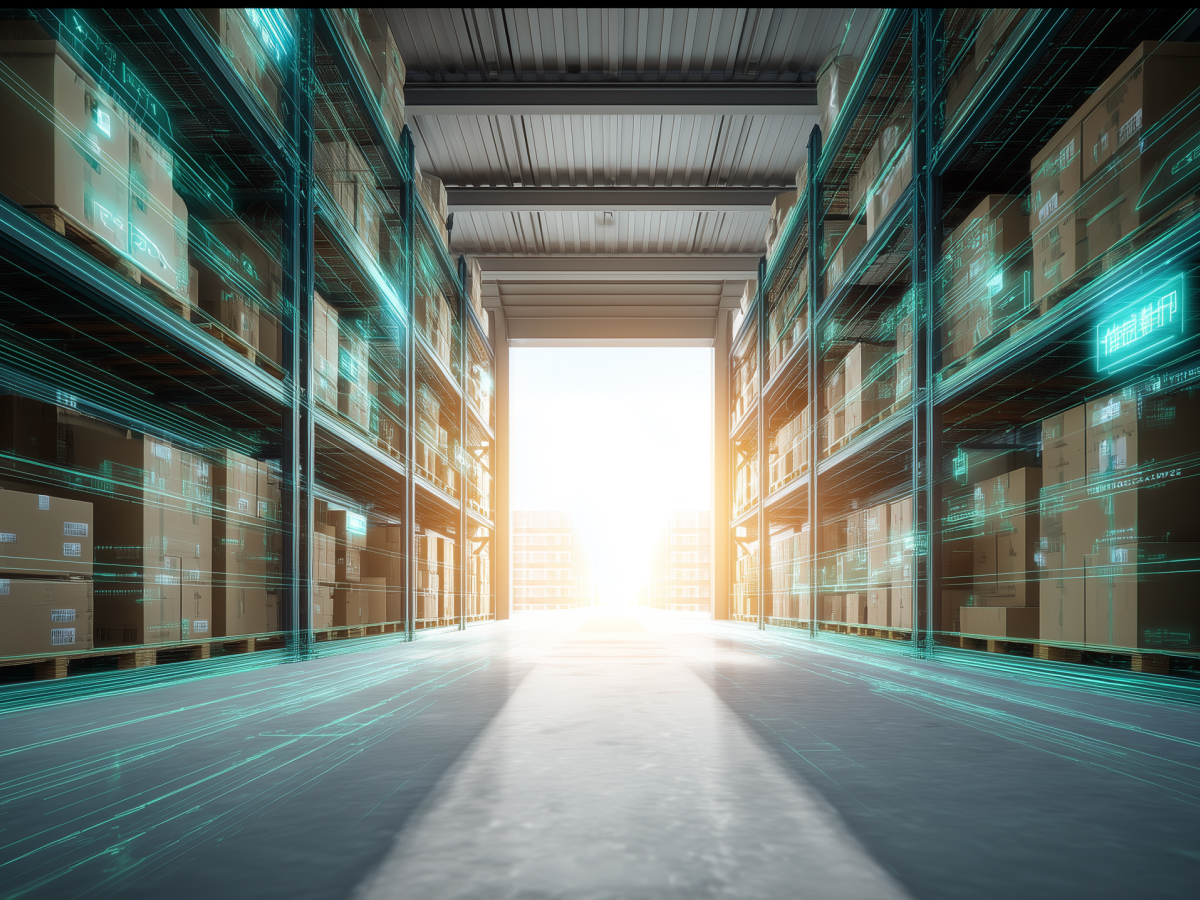
That means companies that still operate on reactive models, waiting for problems and then scrambling to respond, are going to fall behind. Forward-looking firms are already investing in systems that can monitor inventory, shipping lanes, and global conditions in real time. And not just see them. They make decisions and execute changes without delay. That’s the standard your competitors are setting.
What changes now is your benchmark for resilience. It’s no longer about how well you avoid trouble, but how fast you can recover, and how often you use disruption to improve your systems. AI and intelligent platforms help with that. They collect structured and unstructured data, from port congestion to live weather feeds, and drive real-time adjustments across sourcing, routing, and warehouse allocations.
Executives should take this seriously. This isn’t about preparing for isolated crises. It’s about redesigning supply systems to anticipate the unexpected daily. The winners will be those who invest in responsive operating models: platforms that can sense, decide, and act before issues become costs. And the real payoff? Operational capacity that improves every time conditions are tested. That’s where efficiency meets resilience.
Increased investment in real-time and governance-integrated tech
If you’re not investing in real-time infrastructure by now, you’re already behind. The future of supply chain management hinges on visibility, not just internal but across everything from suppliers to carrier networks to external environmental conditions. What Infios is projecting over the next two years is simple: more capital will go toward AI-driven planning systems that can sense, forecast, and respond instantly.
This isn’t theoretical anymore. Companies are deploying tools that continuously monitor shipment locations, inventory levels, regulatory shifts, and global incidents as they’re happening. These platforms shorten the window between awareness and action. That improved reaction time reduces cost, lowers risk, and helps teams make smarter decisions without delay. The supply chains operating at this level are faster, more stable, and more prepared for volatility.
There’s another shift businesses need to pay attention to, governance and security teams are being pulled into the tech stack earlier. This isn’t about post-launch compliance checks. It’s about embedding risk management directly into your architecture from day one. That includes defining how data is handled, how AI decisions are monitored, and how regulatory exposure is minimized globally. The earlier you do this, the cleaner your scaling path will be.
For executives, this means cross-functional decision-making has to happen faster. Tech, finance, compliance, operations, all need to be aligned from the outset. Waiting until systems are deployed and then backtracking to fix gaps slows you down and carries greater risk. Infios executives are clear about this direction: as logistics networks shift toward highly autonomous systems, governance can’t sit on the sidelines. It must be part of the conversation upfront and continuously involved through every stage of rollout.
So when you’re mapping out next fiscal year’s investments, prioritize platforms that don’t just optimize, but integrate oversight, real-time data, and scalability by design. You’re not just building a tech stack, you’re building a decision layer that’s always on, always learning, and always aligned with corporate risk strategy.
Key highlights
- AI will anchor logistics operations: Leaders should invest in AI systems that handle forecasting and dynamic planning, freeing teams to focus on exceptions and higher-value decisions.
- Augmentation of human talent: Automation should be implemented to support employees, enabling teams to handle complexity without burnout and retain critical human judgment.
- Cybersecurity must scale beyond IT: Executives need to embed security practices across departments early in AI deployment, focusing on fundamentals like patching and proper access controls to reduce breach risks.
- Disruption is now standard: Supply chain resilience depends on building systems that detect, decide, and act without delay; proactive investment in real-time monitoring is essential.
- Real-time tech and governance must align: Prioritize platforms that combine AI-driven execution with built-in oversight, allowing operations to scale while managing risk and compliance from the ground up.